
Childcare centers often run on margins as thin as 5 to 10%, and a payment structure more complicated than almost any other small business — which is exactly why generic bookkeeping tends to fall apart here.
Why Generic Bookkeeping Doesn’t Work for Childcare
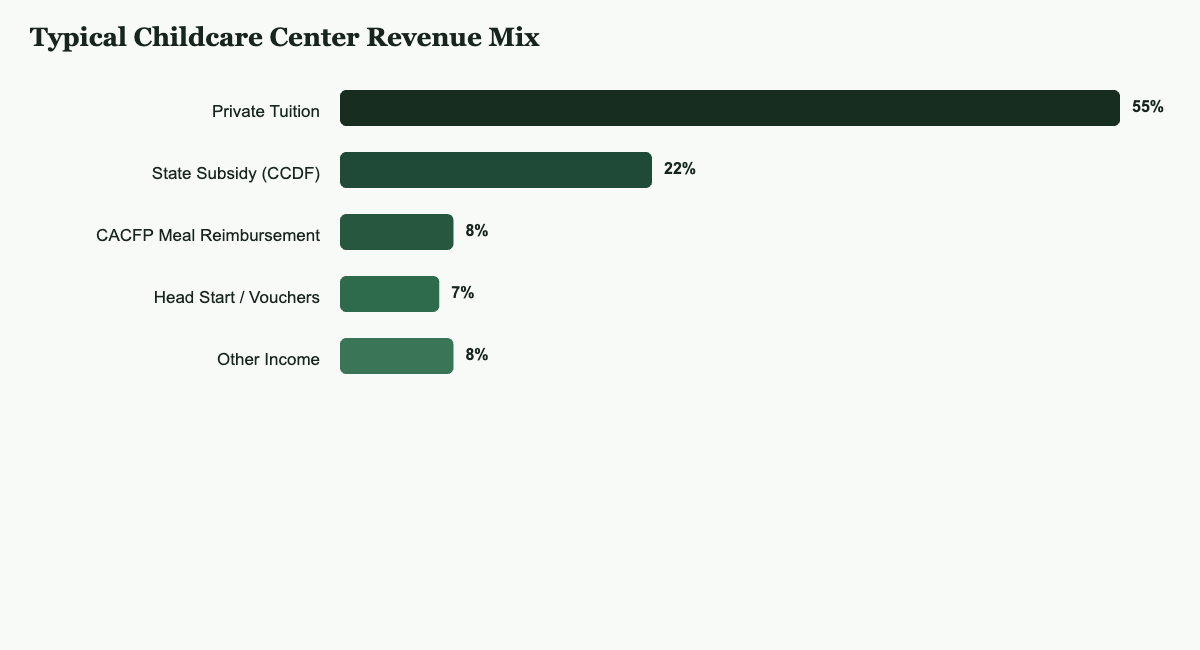
A bookkeeper who isn’t familiar with childcare will often mash everything into broad “Income” and “Expenses” categories. That hides the details that actually matter — which revenue streams are reliable, which families are behind, and whether your meal program is actually break-even. You lose visibility into what’s really working.
Tracking Tuition Across Different Payment Schedules
Families pay weekly, biweekly, or monthly, sometimes all three at the same center depending on the enrollment agreement. That makes accounts receivable genuinely messy. Every family’s payment schedule needs to be tracked individually, with clear visibility into who is current and who is falling behind — not a single lump “tuition income” number.
Subsidy Payments: CCDF, Head Start, and Vouchers
State subsidy programs pay on their own schedules, with their own paperwork requirements, and they rarely line up with your private-pay tuition cycle. These payments need to be tracked as a separate revenue stream, reconciled against attendance and enrollment records, so a delay in a subsidy payment doesn’t look like a shortfall in your regular books.
CACFP Meal Reimbursements
If you participate in the Child and Adult Care Food Program, reimbursements are based on attendance and meal counts, and need their own tracking separate from tuition and other subsidies. Mixing CACFP income in with general revenue makes it nearly impossible to tell whether your food program is actually profitable or quietly costing you money.
Late Payments and Cash Flow on Thin Margins
On a 5–10% margin, two or three chronically late families can genuinely destroy your monthly cash flow. Clean, current accounts receivable records aren’t just bookkeeping hygiene — they’re what lets you catch a late-payment pattern early enough to address it before it becomes a real problem.
Staff Costs: Certifications, Background Checks, and Training
Staff costs go beyond wages. CPR certifications, background checks, and continuing education credits all need to be tracked and expensed correctly, both for your own P&L accuracy and for licensing compliance documentation.
Monthly Childcare Bookkeeping Checklist
- Reconcile tuition receivables by family, not as a single lump total
- Reconcile subsidy payments (CCDF, Head Start, vouchers) against enrollment records
- Track CACFP reimbursements separately and compare against meal program costs
- Flag and follow up on late-paying families before the pattern repeats
- Track staff certification and training costs for licensing documentation
- Review your P&L by revenue stream, not as one combined number
When to Get Help
Running a childcare center is already a full day before bookkeeping enters the picture. If your revenue streams are blurring together or you’re not sure your meal program is breaking even, a bookkeeper who already understands childcare accounting will save you far more time than it costs.
Disclaimer: This article is for educational purposes. It is not tax advice. Talk with a qualified tax professional for guidance specific to your center.