
Franchise bookkeeping is not the same job as bookkeeping for an independent small business. Your franchisor sets the reporting format, the royalty math, and the schedule — and getting any of it wrong can trigger disputes or an audit.
What Makes Franchise Bookkeeping Different
A single-owner business can categorize income and expenses however makes sense to the owner. A franchise location can’t. Your franchisor requires gross sales broken out by category, royalty calculations shown on a set schedule, and marketing fund contributions separated from everything else. Miss a category or submit late, and you are not just cleaning up your own books — you are out of compliance with your franchise agreement.
Royalty Calculations: The Most Common Source of Errors
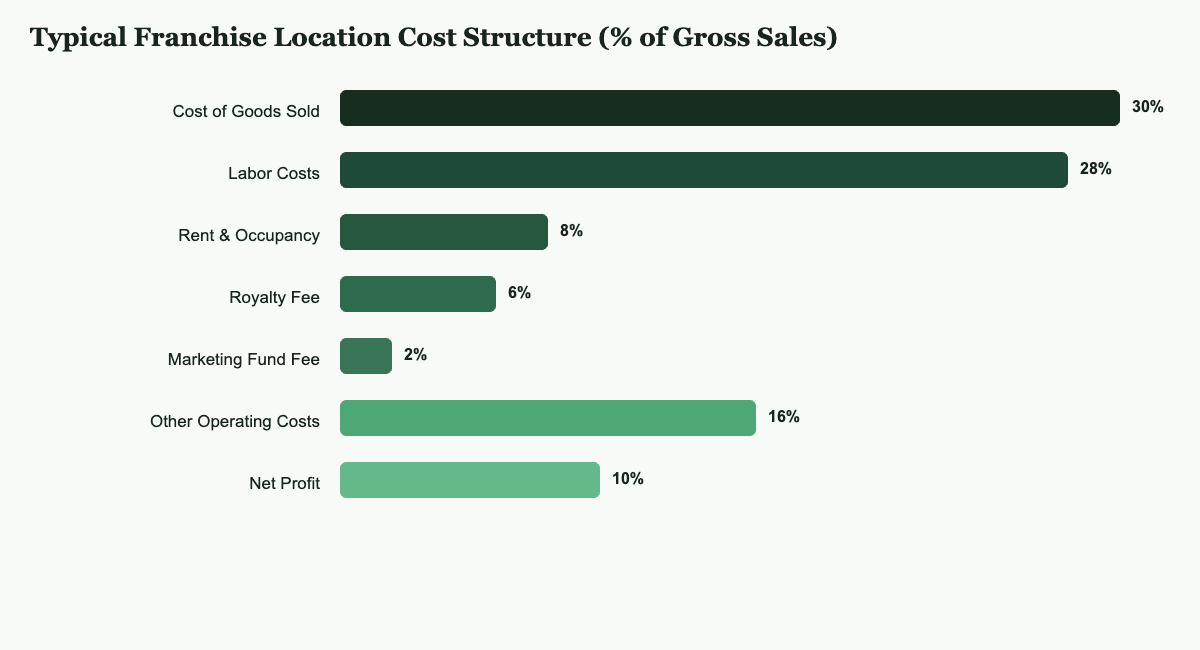
Most franchise agreements charge a royalty of 4–8% of gross sales, calculated before deductions for returns, discounts, or voids. That last part is where a lot of franchisees get it wrong — discounting a sale doesn’t reduce what the royalty is owed on. A few things to keep clean every month:
- Gross sales reported by the exact category your franchisor requires, not your own internal categories
- Royalty percentage applied to gross sales before discounts, comps, or voids are backed out
- Royalty payments made on the franchisor’s schedule, not whenever your cash flow allows
- A paper trail showing how each royalty figure was calculated, in case of a franchisor audit
Marketing Fund Contributions Need Their Own Line
Marketing or ad fund fees are usually a separate percentage from the royalty, often 1–3% of gross sales, and they need their own ledger line. When marketing fund contributions get lumped in with royalty payments or general operating expenses, it becomes very hard to prove you’ve met your obligations if the franchisor ever asks.
Franchise Fee Amortization
The initial franchise fee — commonly $25,000 to $50,000 — is not deductible in year one. It’s treated as a Section 197 intangible asset and amortized over 15 years. Booking it as a straight expense in year one is a common mistake that creates a mess for whoever prepares your tax return.
Multi-Location P&L: Don’t Let Locations Blur Together
If you operate more than one unit, each location needs its own profit and loss statement. Shared costs — supervision, bulk purchasing discounts, a shared bookkeeper or manager — need to be allocated across locations in a consistent, documented way. Without location-level P&Ls, you can’t tell which unit is actually profitable and which one is being propped up by the others.
Franchisor Audit Rights: Protect Yourself With Clean Records
Most franchise agreements give the franchisor a contractual right to audit your books. Sloppy categorization, missing royalty documentation, or inconsistent reporting can trigger an audit that costs you time, legal fees, and trust with your franchisor. Clean, consistent monthly bookkeeping is the cheapest insurance policy you have against this.
A Simple Monthly Franchise Bookkeeping Checklist
- Reconcile bank and credit card accounts for every location
- Break out gross sales by the categories your franchisor requires
- Calculate and document royalty and marketing fund fees before deductions
- Submit franchisor reports on schedule, not after the fact
- Review each location’s P&L separately, not combined
- File franchise fee amortization schedules with your tax preparer
When to Bring in a Franchise-Aware Bookkeeper
If you’re spending more time reformatting numbers for your franchisor than running your locations, or if you’ve ever been unsure whether a royalty calculation was right, it’s time for a bookkeeper who already understands franchise reporting — not one learning it on your dime.
Disclaimer: This article is for educational purposes. It is not tax or legal advice. Talk with a qualified tax professional or your franchisor for guidance specific to your agreement.